

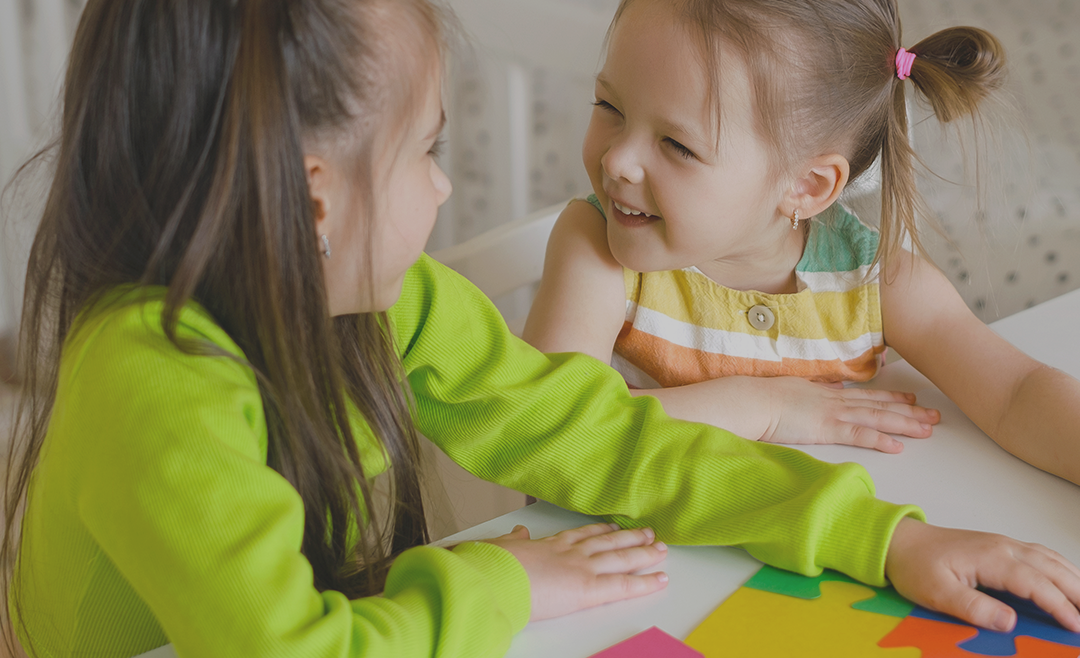
Empower Your Child to Thrive Socially
NeuroSpark’s Social Skills Program supports children with Autism Spectrum Disorder (ASD) in developing real-world communication and social confidence through tailored, evidence-based strategies.
2. Why Social Skills Matter
Social skills are essential for building friendships, managing emotions, and navigating daily life. Children with ASD often need support to grasp non-verbal cues, emotional awareness, turn-taking, empathy, and problem-solving. Our program uses research-backed methods to help children build these abilities in meaningful, engaging ways. NEURONESTRedditSprintzeal.com (this is not real image just add image random we will add relevant later
3. Who Should Join?
Our program is ideal for:
- Children aged approximately 4–16 diagnosed with ASD or social communication challenges
- Young people who find greeting, conversation, empathy, and peer interaction difficult
- Children needing support with turn-taking, body language, and emotional awareness
- Families seeking therapeutic interventions that blend group, dyad, or individual settings
- Kids working alongside ABA, speech, or occupational therapy services to reinforce progress neuro-spark.caneuro-spark.ca
4. Program Structure & Delivery Formats
We offer flexible options to suit different learning styles and family needs:
- One-on-one sessions for individualized teaching
- Dyads (two children) for peer-supported learning
- Small groups (3–6 children) to practice social interaction skills
Delivery methods include:
- Role-play and cooperative games
- Video modeling and structured feedback
- Modeling and visual prompts
- Integration with ABA sessions to facilitate real-world generalization neuro-spark.ca
5. What Children Will Learn
Our curriculum covers key social and emotional skill areas for lasting development:
- Eye Contact & Body Language: Building nonverbal communication
- Greetings & Turn-Taking: How to start, maintain, and end conversations
- Conversation Skills & Perspective-Taking: Listening, responding, and empathizing
- Empathy & Emotional Awareness: Recognizing feelings—self and others
- Social Problem-Solving: Conflict resolution, coping strategies
- Peer Engagement & Friendship: Joining play, sharing, teamwork
Each session includes structured practice, feedback, and coaching to reinforce these skills.
6. Therapeutic Methodology
We use evidence-supported strategies, vetted by Autism Ontario and social-skills research:
- Modeling & Video Modeling: Children observe and replicate social behavior
- Role-Playing & Feedback: Interactive practice with therapist-led guidance
- Visual Supports: Clear cues via schedules, icons, and prompts
- Peer Learning: Natural interaction within dyads or small groups
- Behavioral Reinforcement: Positive encouragement to boost social initiative
- Generalization Tactics: Skills are practiced in home, school, and community contexts
7. Program Flow and Structure
- Intake & Assessment: We begin with a detailed interview and baseline assessment—capturing each child’s strengths, preferences, and learning style—informed by parent and therapist observations.
- Goal Setting & Individual Planning: Therapists co-create individualized goals targeting communication, emotional regulation, real-life social skills, and behavioural needs.
- Learning Format Matching: Based on assessment, we assign one-on-one, dyad, or group format ensuring optimal peer interaction and engagement.
- Weekly Practice Sessions: Sessions occur 1–2 times per week. We introduce socially relevant topics (e.g., greeting peers, asking questions) through role play and guided activities.
- Parent Coaching & Home Tools: Parents receive visual aids, social stories, activity prompts, and progress reports to support at-home reinforcement and carry-over.
- Progress Monitoring & Adaptation: We review progress regularly with data summaries and family check-ins, refining goals as needed to ensure momentum and skill retention.
8. Expected Outcomes & Benefits
Participating in our social skills program often leads to:
- Improved conversational initiation and response
- Increased eye contact and body language awareness
- Enhanced friendships and peer interactions
- Greater emotional understanding and empathy
- Boosted confidence and self-esteem in group settings
- Better generalization of skills across life contexts Sprintzeal.comNEURONEST
9. Voice of Experience: Parent Testimonials
“Since starting the social skills group, my son has improved eye contact and greeting family members naturally.”
– Jennifer T., Mississauga
“The program gave our daughter the tools to join group play and talk with classmates at school with more confidence.”
– Raj P., Brampton
10. Comprehensive FAQs
Q1: What age range is appropriate for the Social Skills Program?
A: We serve children roughly aged 4 to 16. Assignment to individual, dyad, or group sessions is based on developmental level and comfort.
Q2: How do you measure social development progress?
A: We track individualized goals through clinical observations, practice data, session feedback, and parent notes. Regular progress reviews keep families informed and aligned.
Q3: Can my child attend virtually or in person?
A: We offer flexible formats: in-clinic, home-based, or hybrid/online sessions to fit family schedules and preferences.
Q4: How does this integrate with our existing ABA or therapy plan?
A: Social skills are often paired with ABA, speech-language, or occupational therapy to reinforce holistic development and reduce the need for skill duplication.
Q5: Is parent participation required?
A: While parents don’t need to attend every session, we encourage regular involvement—through observation, coaching, and at-home practice—to boost transfer and generalization.
Q6: What is the session commitment?
A: Most families structure the program as 8–12-week blocks with 1–2 sessions per week, but we can customize longer-term or ongoing participation.
Q7: Is this evidence-based?
A: Yes. Our approach aligns with guidelines from Autism Ontario emphasizing evidence-based programming, ongoing evaluation, and generalization of skills.
11. Getting Started Is Easy
Follow these next steps:
- Book a Free Consultation to explore fit and alignment
- Complete a detailed intake with family and therapist input
- Select a format (individual, dyad, or group) based on needs
- Begin sessions and use at-home supports to reinforce learning
- Attend regular progress check-ins and update goals as needed
12. Why Choose Neuro Spark?
- Local Expertise in Mississauga with autism support knowledge
- Integrated Approach bridging ABA, speech, OT, and social skills
- Flexible Formats suited to developmental and family needs
- Transparent Tracking and parent-friendly reporting
- Compassionate Team with experienced therapists and BCBAs